Social Commerce: Shopping Without Leaving Instagram, TikTok, or YouTube Shorts
Imagine scrolling through Instagram, seeing a pair of sneakers you like, and buying them instantly—without ever leaving the app. That’s social commerce in action, and it’s reshaping how consumers shop online.
By 2025, social commerce is projected to reach $1.2 trillion globally (Accenture, 2024). Platforms like Instagram, TikTok, and YouTube Shorts have evolved beyond entertainment—they’re becoming full-fledged shopping ecosystems.
In this blog, we’ll explore how social commerce works, why it matters, and how brands can leverage it effectively.
1. What is Social Commerce?

Social commerce is the integration of shopping experiences directly within social media platforms. Instead of redirecting users to an external website, apps like Instagram and TikTok now allow:
In-app product discovery
One-click purchasing
Seamless checkout
This reduces friction in the customer journey and makes impulse buying far more likely.
Reference: Accenture Report, The Rise of Social Commerce, 2024.
2. Why Social Commerce is Booming
a) Gen Z & Millennials Prefer Social Shopping
Younger audiences spend more time on Instagram, TikTok, and YouTube than on e-commerce sites. Research shows that 62% of Gen Z discover new brands through social media first (Sprout Social, 2024).
b) Trust Through Influencers & UGC
User-generated content (UGC) and influencer endorsements make products feel authentic. Instead of reading corporate descriptions, shoppers see real people using products in relatable contexts.
c) Seamless Experience = Higher Conversions
By cutting out extra steps (visiting a site, filling forms), social commerce leads to higher conversion rates compared to traditional e-commerce.
3. Social Commerce Platforms to Watch
Instagram Shopping
Shoppable posts and stories allow businesses to tag products.
“Instagram Checkout” lets users buy without leaving the app.
Brands can set up a Shop tab as a mini online store.
Example: Fashion brand H&M uses Instagram Shopping to showcase outfits where each tagged item links directly to checkout.
TikTok Shop
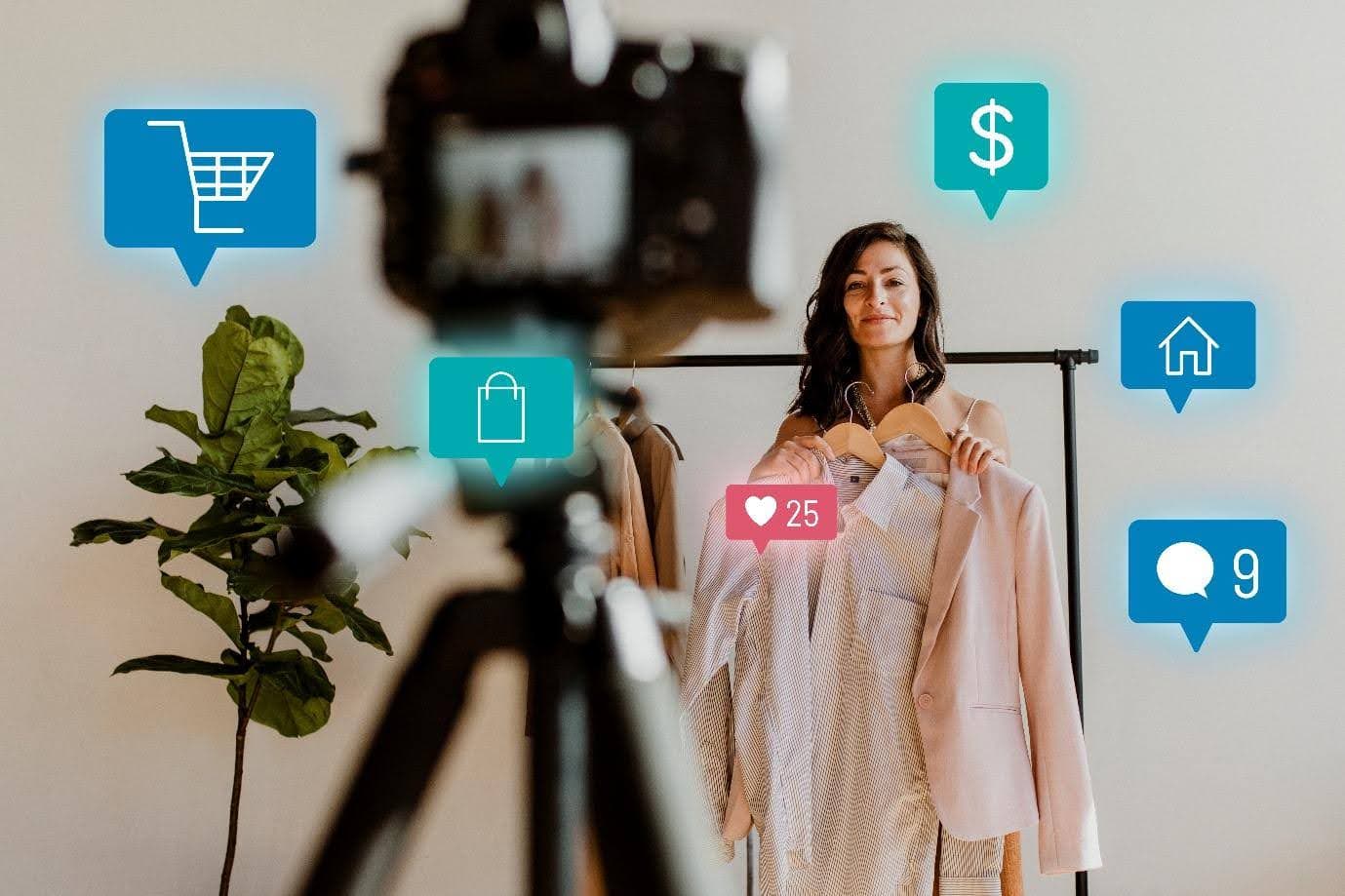
TikTok’s motto, “Don’t Make Ads, Make TikToks,” captures the essence of social commerce.
Live shopping events where influencers showcase products in real time.
“Shop Now” buttons directly integrated into videos.
AI-driven recommendations push relevant products to interested users.
Example: In 2023, beauty brand e.l.f. Cosmetics launched a TikTok Shop campaign, selling out a new lip gloss line within days through influencer-led livestreams.
YouTube Shorts Shopping
With over 2 billion monthly users, YouTube has integrated shopping directly into Shorts.
Creators can tag products in their videos.
Viewers see a “Buy” button without leaving the platform.
Ideal for unboxing, tutorials, and product reviews.
Example: Tech influencer Marques Brownlee (MKBHD) has partnered with YouTube’s shopping tools to directly link gadgets featured in his Shorts.
4. How Brands Can Win in Social Commerce
Leverage Influencer Partnerships
Collaborate with influencers who align with your brand. Authentic recommendations often drive higher sales than traditional ads.
Prioritize Short-Form Video Content
TikTok, Reels, and Shorts thrive on engaging, quick videos. Demonstrations, tutorials, or behind-the-scenes clips help products feel more approachable.
Optimize for Impulse Buying
Keep checkout simple with one-click purchases and easy payment integrations. The fewer the steps, the better the conversion rate.
Use Social Proof
Encourage customers to share reviews and unboxing videos. Repurpose UGC to build trust.
5. Challenges in Social Commerce
Platform Dependency: Brands relying too heavily on one platform risk losing reach if algorithms change.
Trust & Fraud Issues: Customers worry about counterfeit products from unauthorized sellers.
Data Privacy: Regulations like GDPR and India’s DPDP Act require careful handling of user data.
Brands must balance aggressive selling with consumer trust and transparency.
6. The Future of Social Commerce
Social commerce is expected to evolve with:
AI-driven personalization
AR try-ons
Livestream shopping dominance
Reference: Statista, Global Social Commerce Market Forecast 2025.
Final Thoughts
Social commerce isn’t just a trend—it’s a revolution in e-commerce. Platforms like Instagram, TikTok, and YouTube Shorts are transforming shopping into an immersive, interactive experience where content and commerce merge.
The brands that win will be those that:
Embrace influencer-led campaigns
Create authentic, short-form content
Prioritize seamless in-app purchasing
In short, the mall of the future isn’t a physical place—it’s your favorite social app.
Follow Us

14

72K

51

70K

68K